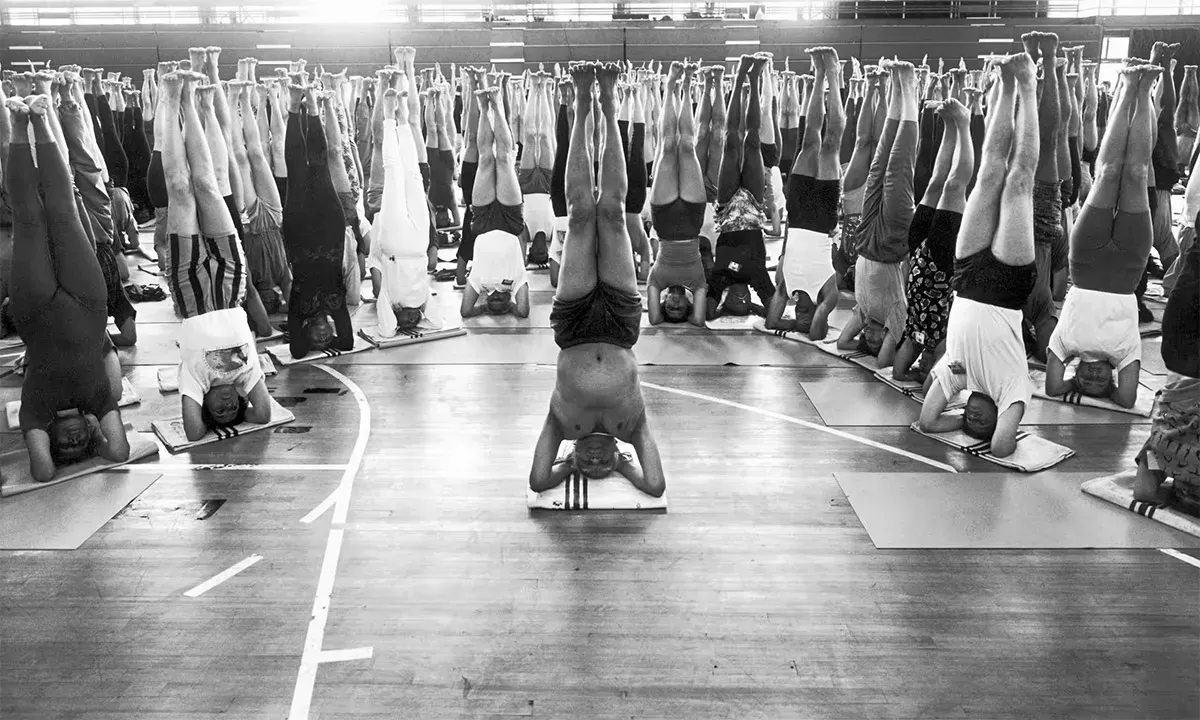
About Iyengar Yoga
“The study of asana is not about mastering posture. It’s about using posture to understand and transform yourself.”
B.K.S. Iyengar, 1918–2014
Explore B.K.S. Iyengar’s life and legacy on Google Arts & Culture.
Iyengar Yoga was developed by B.K.S. Iyengar, one of the most influential yoga teachers of the modern era. Trained in the classical tradition, he refined it into a method defined by precision of alignment, sequencing of poses, and the systematic use of props (blankets, blocks, belts, chairs and the wall) so that the benefits of each posture are available to everyone.
That last point is the heart of it: because the props meet you where you are, Iyengar Yoga is genuinely for every body, beginners and experienced practitioners, the flexible and the stiff and those working with injury or particular needs. You don’t have to already be able to do a pose to practise it well, the method brings the pose within reach.
How it helps the body
Iyengar Yoga develops strength, flexibility, balance, and body awareness, and its careful, individualized approach makes it a widely studied form of yoga for health and therapy.
The evidence is growing. In a 2009 randomized controlled trial published in Spine, adults with chronic low back pain who practised Iyengar Yoga showed significantly greater reductions in functional disability, pain intensity, and depression than those receiving standard medical care, improvements that were largely maintained six months later.
What to expect in a class
An Iyengar Yoga class is built around asana (postures) and the fundamentals beneath them: how to stand, how to align, how to breathe and stay steady in a pose. Poses are often held longer than in other styles so you can feel and refine them, and the class is sequenced to build up carefully rather than rush.
A defining feature is the props, which help you find the correct action in a pose safely:
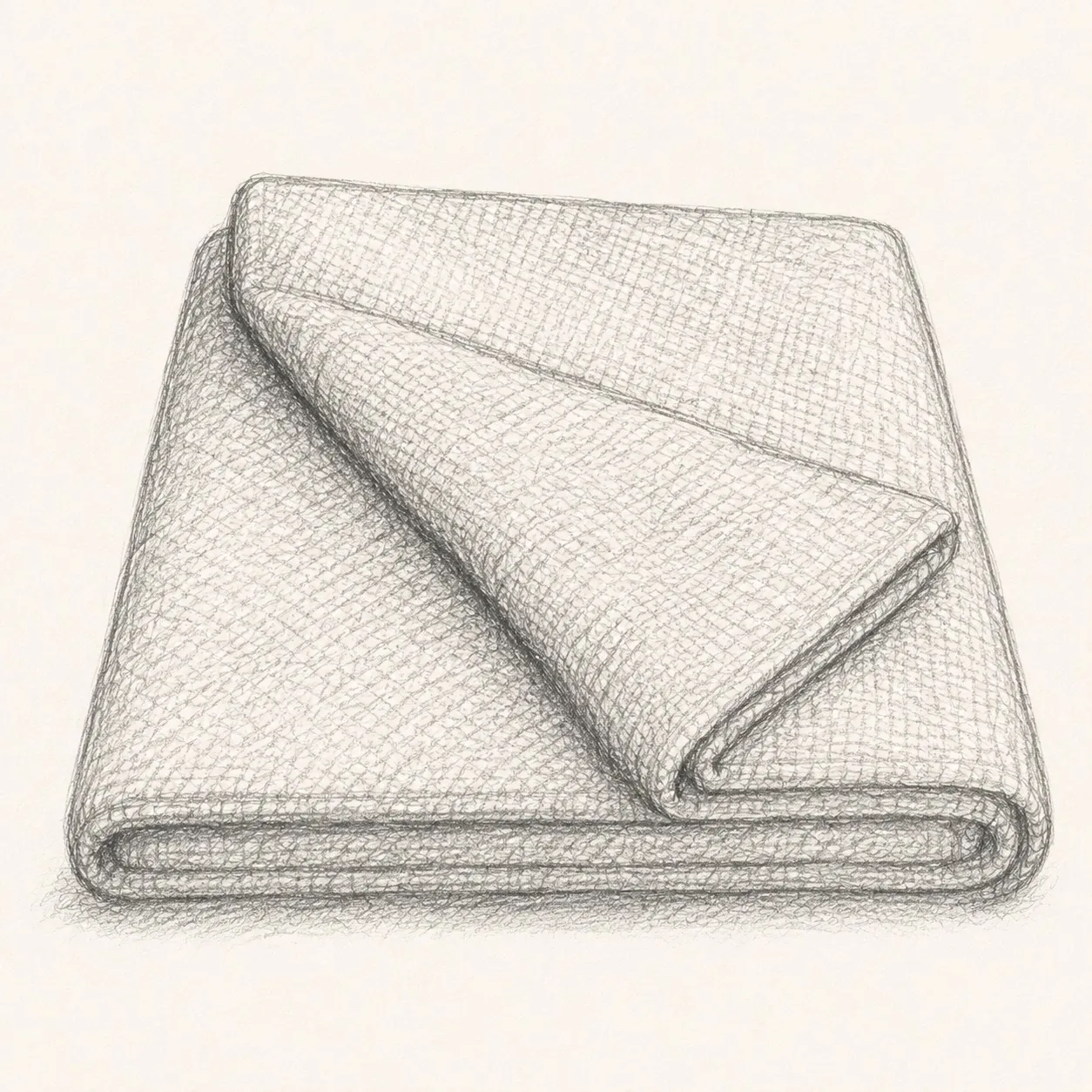
Blankets
Height and support; cushioning under the shoulders in shoulderstand, sitting bones in seated poses.
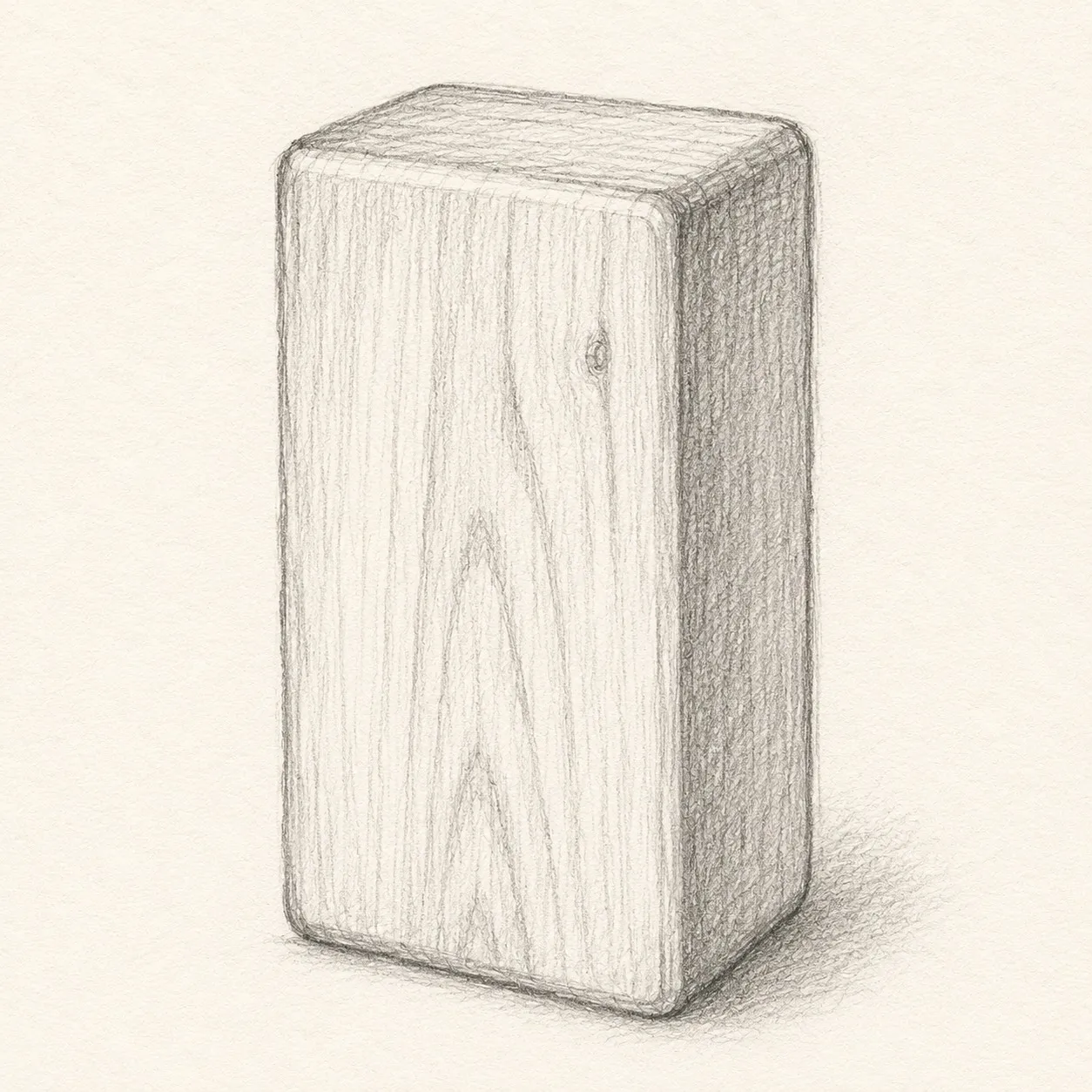
Blocks
Bring the floor closer, so alignment doesn't depend on flexibility (e.g. under the hand in standing poses).
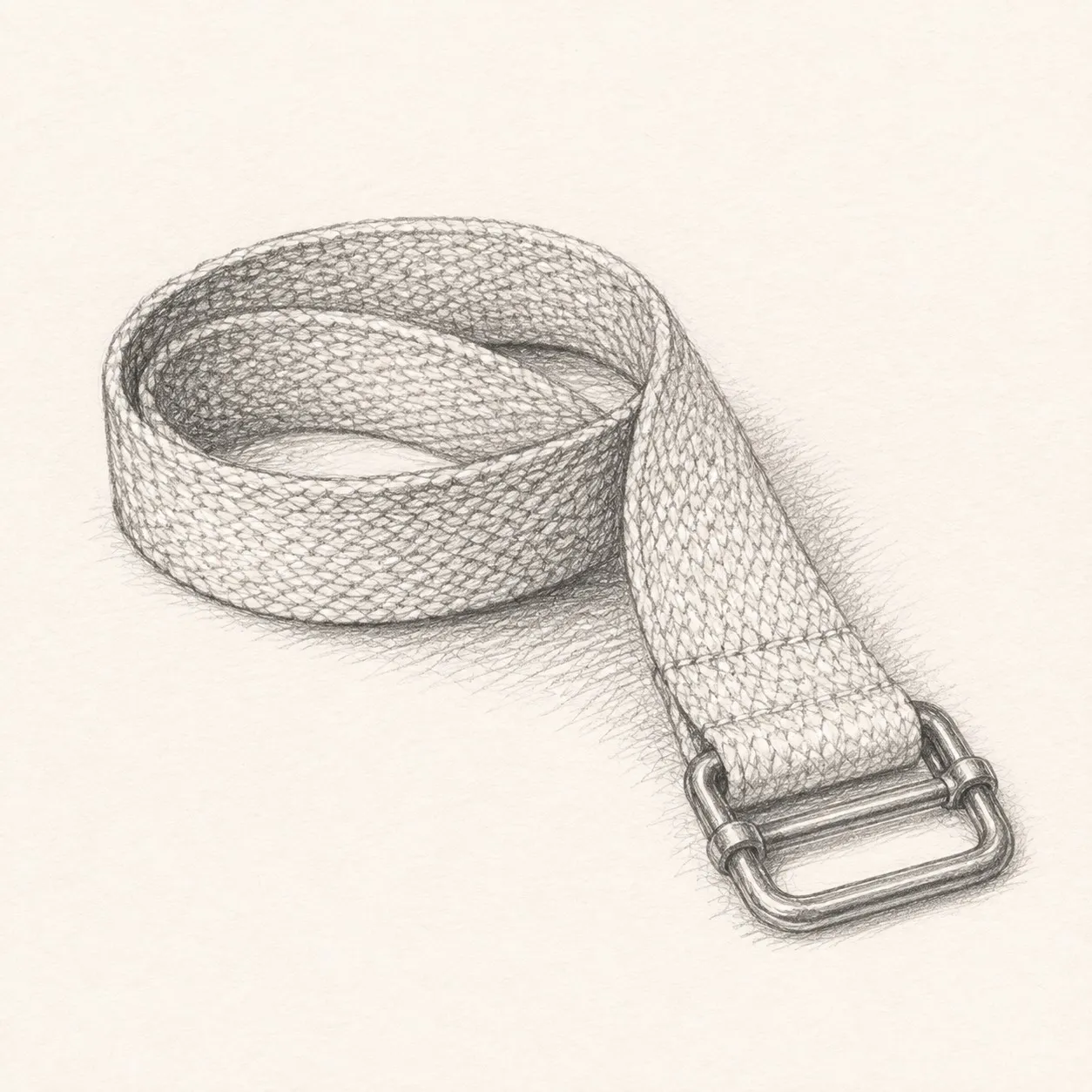
Belts / straps
Extend your reach and keep limbs in line where hands can't yet meet.
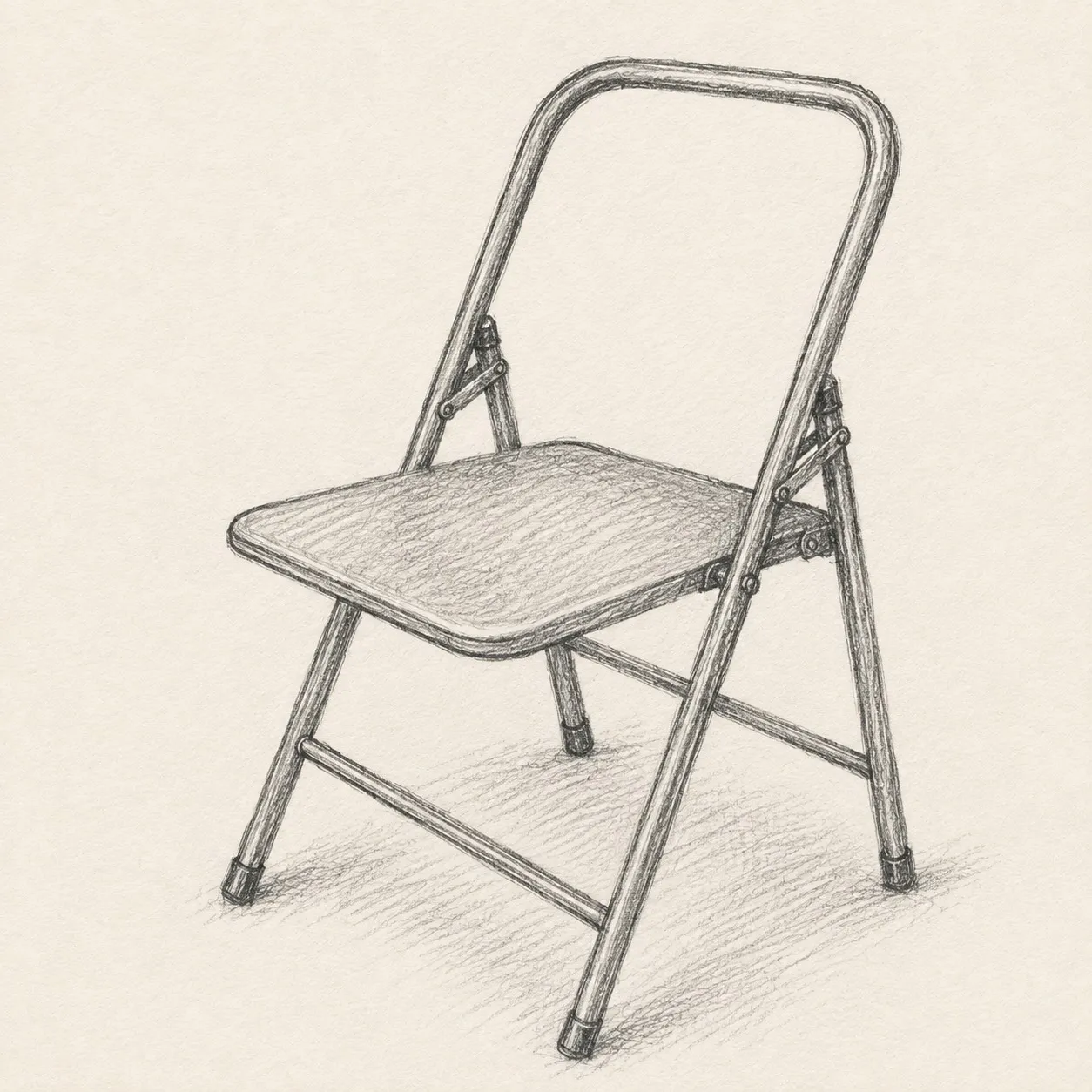
Chairs
Support in twists, backbends, and inversions, making strong poses accessible.
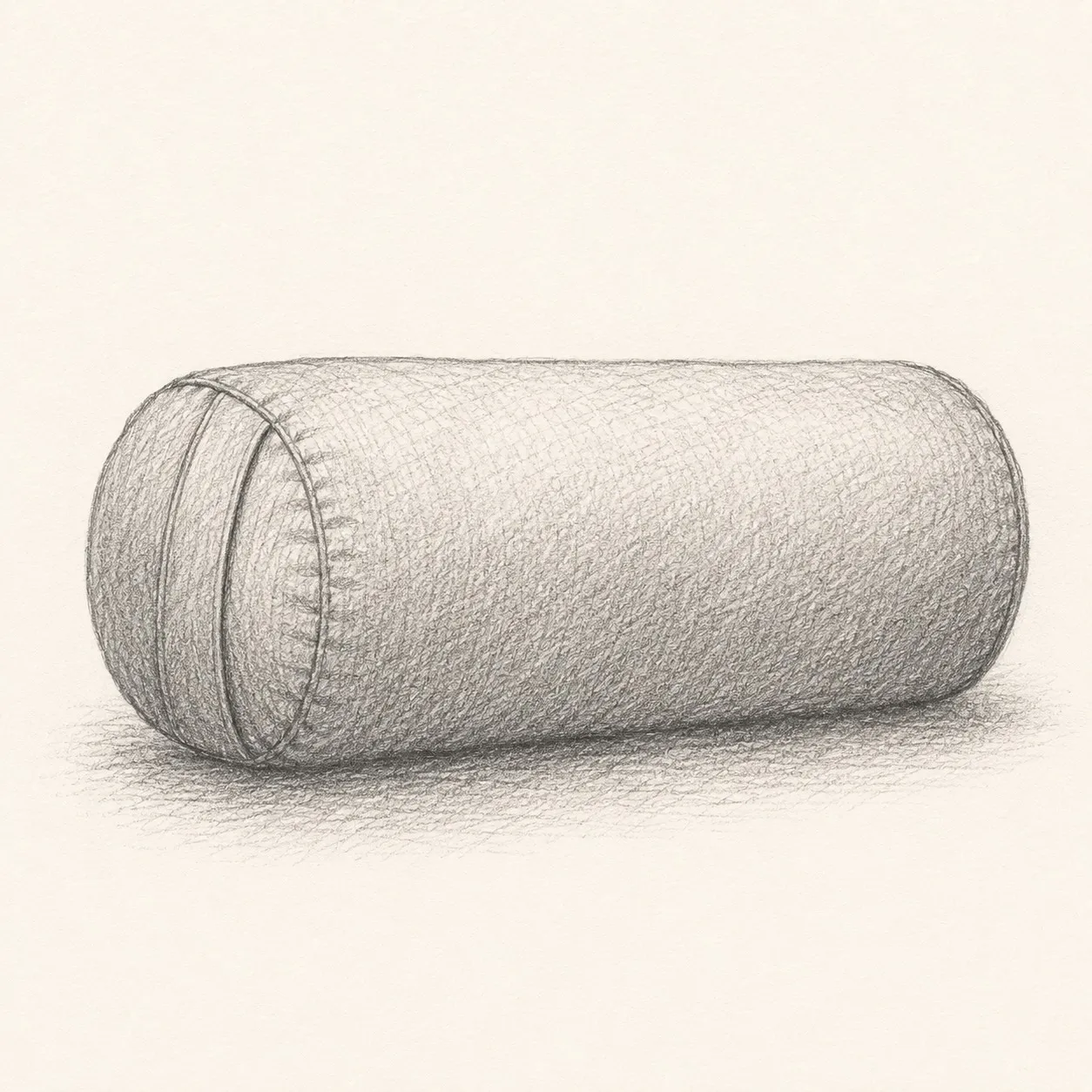
Bolsters
Support for restorative and reclining poses, letting the body open without effort.
Geeta S. Iyengar
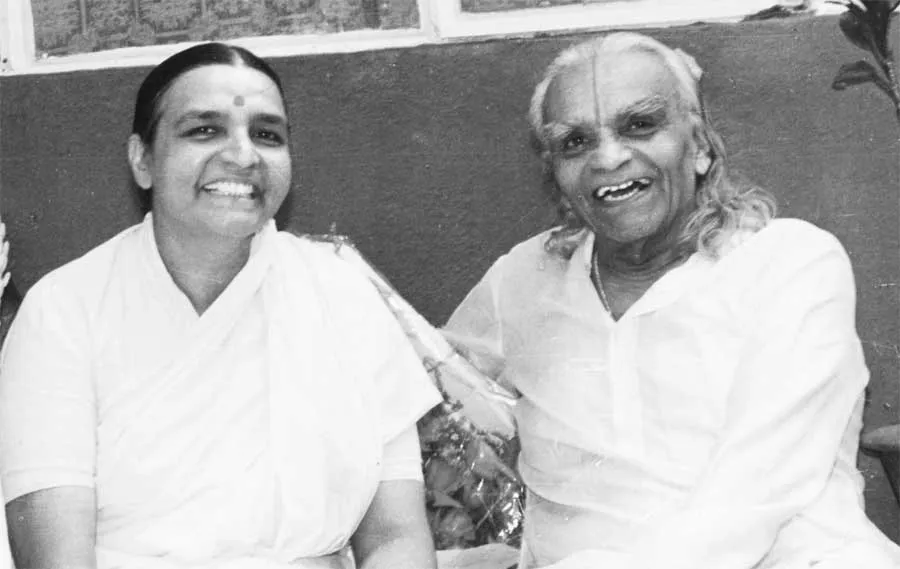
Geeta S. Iyengar (1944-2018), B.K.S. Iyengar's daughter, was one of the method's most influential teachers in her own right. She adapted the practice specifically for women's health and physiology, authored the widely read Yoga: A Gem for Women, and helped define the teacher-training standards used by Iyengar Yoga teachers worldwide.
The Community
Iyengar Yoga is guided from the Ramamani Iyengar Memorial Yoga Institute (RIMYI) in Pune, India, today led by Abhijata Sridhar Iyengar, B.K.S. Iyengar's granddaughter. Many countries have their own local Iyengar Yoga associations, connecting teachers and students and organizing workshops, knowledge-sharing, and the certification process that keeps the method consistent worldwide.